
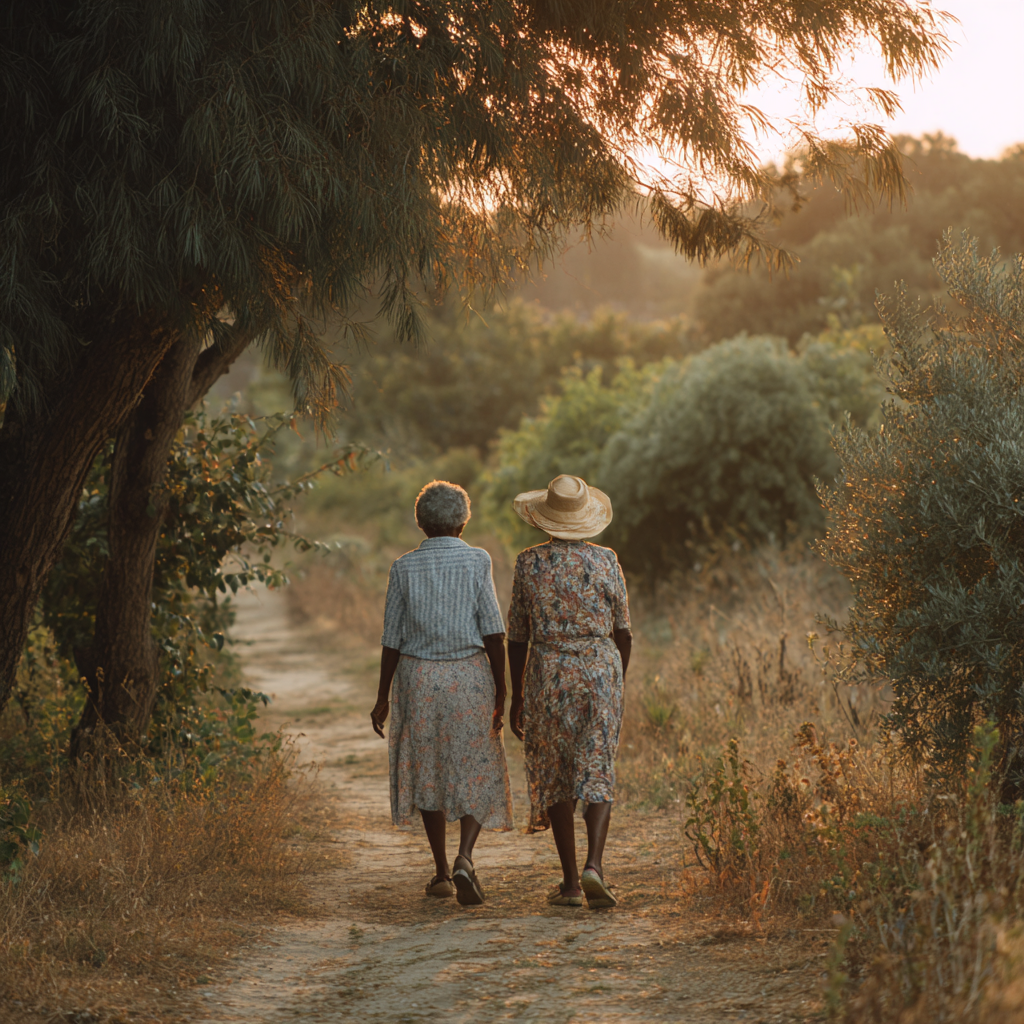
When you step out of a work environment or caregiving role, it’s natural for relationships to change. You might see friends less often, or find that conversations feel different now that shared routines are gone.
But new space also creates opportunity to reconnect more deeply, to listen without hurry, and to seek friendships built on presence rather than proximity.
Relationships often shift after retirement in quiet, surprising ways. This post explores why, and how to navigate those changes with ease.”
Why Relationships Shift After Retirement
When you leave a long-held role, you’re not just changing how you spend your time — you’re stepping out of the rhythm that held many relationships together.
Some connections were built on:
- Daily contact
- Shared pressures
- Collaborative problem-solving
- The small rituals of a busy life
When those containers fall away, relationships naturally soften, stretch, or reshape.
This isn’t failure. It’s transition.
The Subtle Ways Connection Changes
Many women notice shifts like:
- Conversations become slower or more reflective
- Social circles feel smaller, but more meaningful
- Certain friendships drift while others deepen
- You crave relationships rooted in honesty, ease, or curiosity
- Interactions built on busyness may fall away naturally
- You realize you have more emotional energy for fewer, deeper connections
These changes can feel disorienting, but they’re often signs of emotional renewal.
Rediscovering Yourself In Your Relationships
Retirement often reveals parts of you that didn’t have room to breathe before.
You’re relating now from:
- A calmer nervous system
- A quieter pace
- A more grounded sense of self
This can feel like loss, but it’s also a quiet form of becoming.
As you change, your relationships change alongside you — not because anything is wrong, but because your inner landscape is shifting.
When You Feel Disconnected
If you’re feeling distant from old companions, reach gently outward.
A call, a letter, a walk together. Not to reclaim the past, but to begin a new kind of closeness.
Small gestures often open the door to deeper, truer connection.
And if some relationships fade, it may simply mean they belonged to a different season of your life. You are not losing ground. You’re making space.
Many women find this stage tender, confusing, and freeing all at once.
You’re learning to relate from who you are now, not who you were before.
💛 Reflection Prompt
If you’d like to explore what this shift means for you personally, try reflecting on this:
What kind of connection feels most nourishing to me at this stage of life?
If you’d like to explore what this shift means for you personally, try reflecting on this:
FAQ
Friendships often shift because the daily routines and shared environments that held them together disappear. Without that regular contact, some relationships naturally soften, stretch, or take on new forms.
Yes. Many people feel a temporary distance as they adjust emotionally to a new rhythm of life outside of work or caregiving. This distance doesn’t mean the friendship is lost — it often means both people are navigating change.
Start gently: a phone call, a letter, a shared walk, or sending a small note about something that made you think of them. Honest, unhurried check-ins often open the door to a deeper kind of connection.
Yes. As your identity shifts away from long-held roles, the way you relate to others often changes too. Relationships may become more honest, spacious, and aligned with who you are now, rather than who you were before.